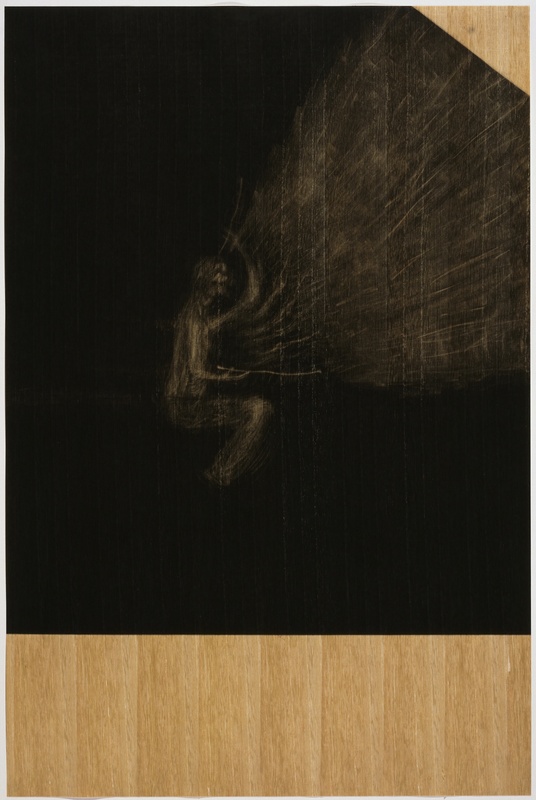
(Almost) Every Year: Sixty Years of Printmaking at Gemini G.E.L.
(Almost) Every Year: Sixty Years of Printmaking at Gemini G.E.L. highlights the extraordinary range of prints created at Gemini’s Los Angeles workshop from 1966 through the present day. Rather than focusing monographically on the lives and “greatest hits” of the many celebrated artists who worked at Gemini, curators Susan Dackerman and Helen Molesworth have chosen to feature selections from the publisher’s remarkable output from (almost) each of its sixty years, creating a presentation of the work within the framework of changing cultural contexts, artistic strategies, and individual styles.
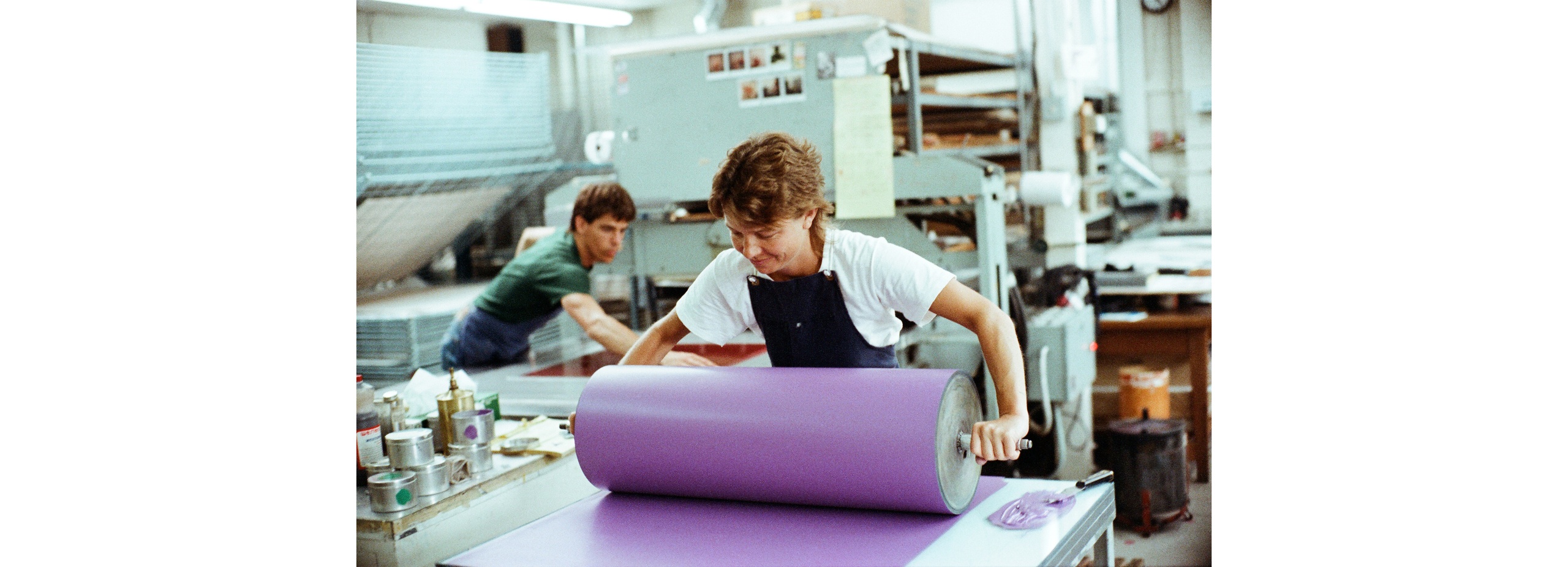
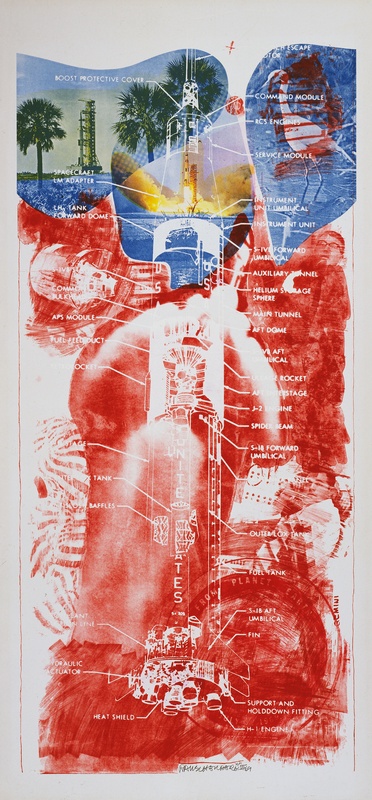
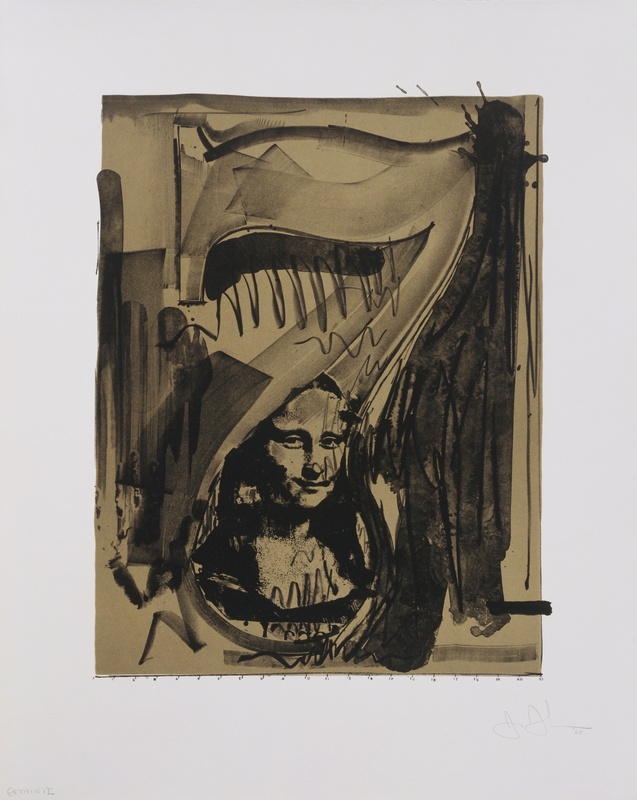
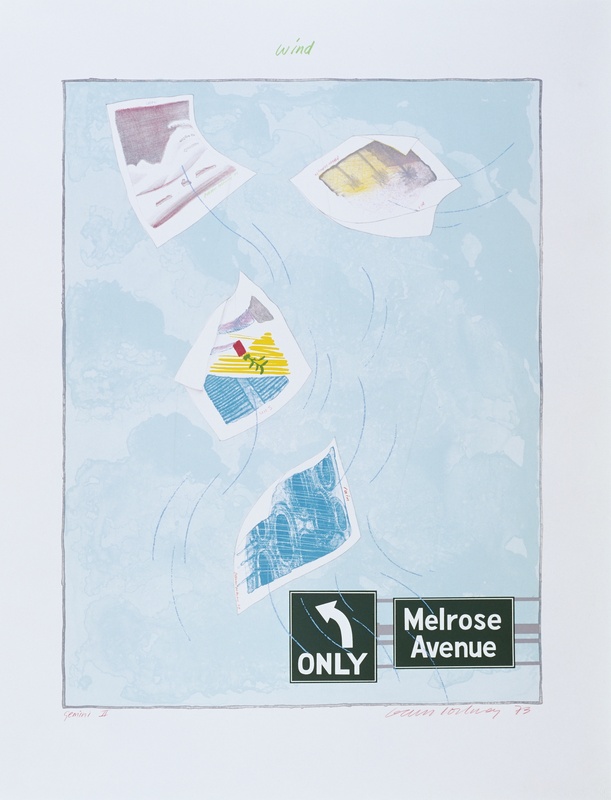
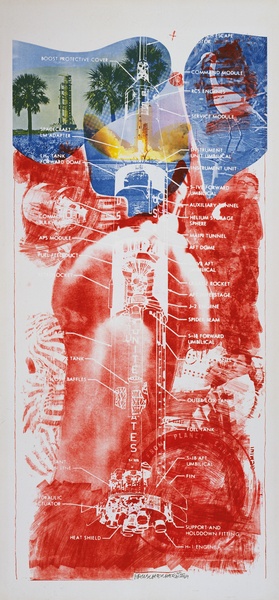
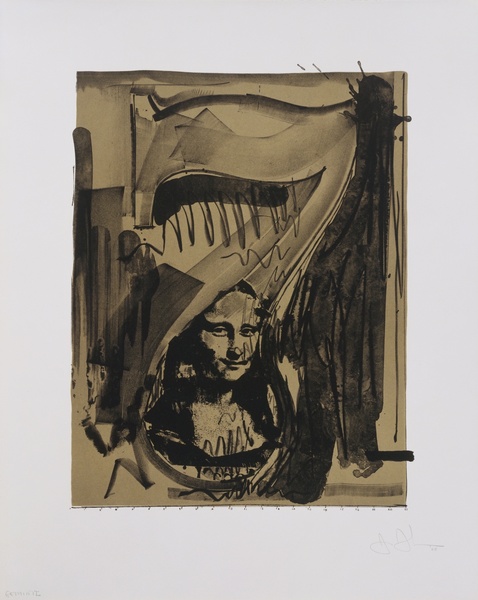
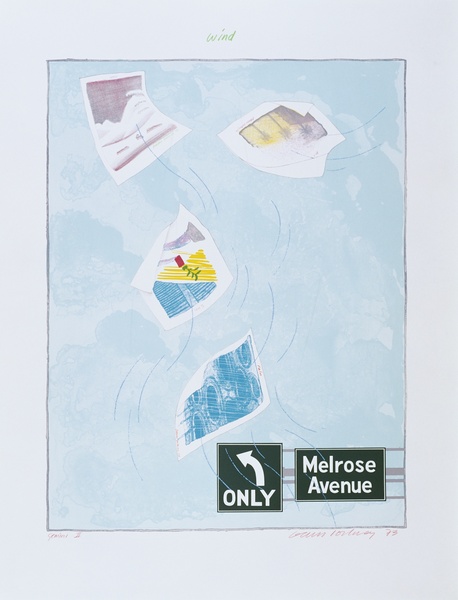
Displaying the work chronologically also highlights the greatest strengths of the Gemini workshop – friendship, collaboration, and continuity. Gemini provided not only the inspirational cauldron of the city of Los Angeles, it also offered the stimulation and collegiality of peers. By showing artists’ work in proximity to the prints of their fellow artists working around the same time, the artists’ mutual admiration and influence become apparent. For instance, in the late 1960s when Robert Rauschenberg was famous for introducing found imagery into lithographs such as Sky Garden, Jasper Johns was more inclined to draw directly on the lithographic stones. Yet, his Figure 7 includes a reproduction of the Mona Lisa, suggesting that Gemini’s artists were not only following the artistic strategies of the time, but also following each other’s work. David Hockney also was well aware of the trend and slyly incorporated his own “found” images – drawn reproductions of his own prints – in his 1973 lithograph, Wind.
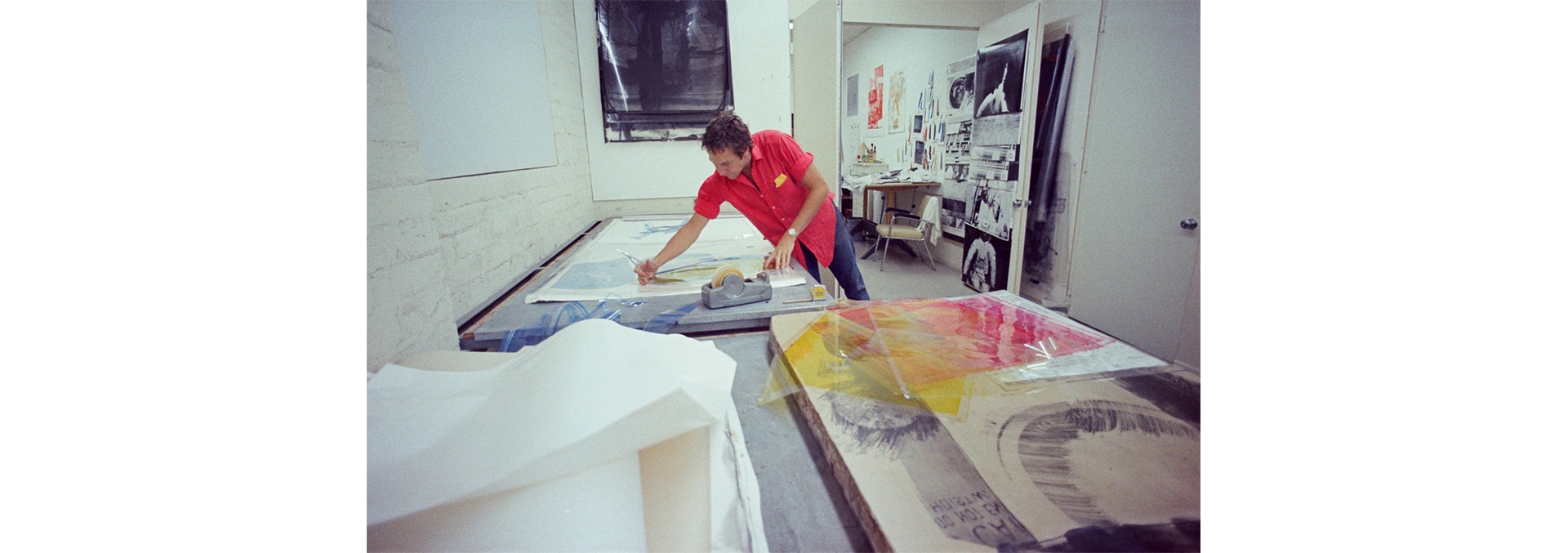
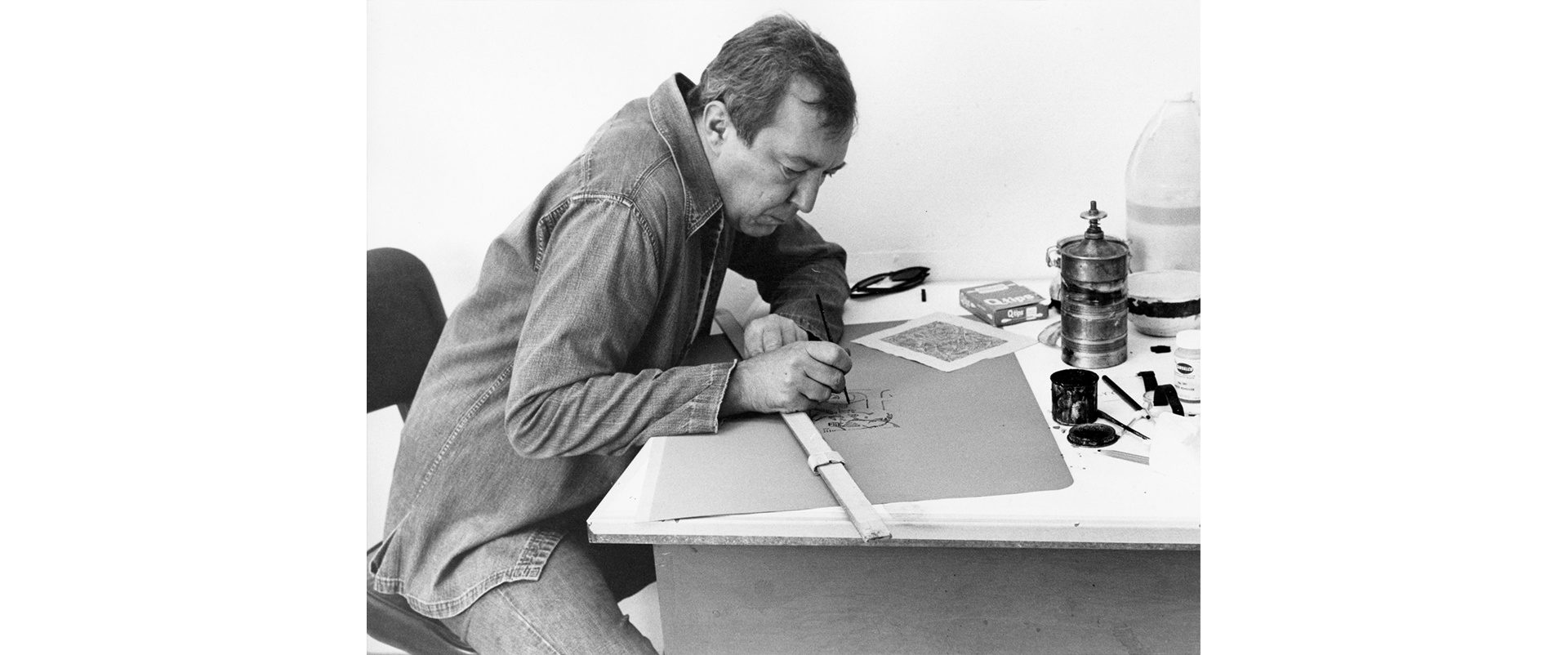
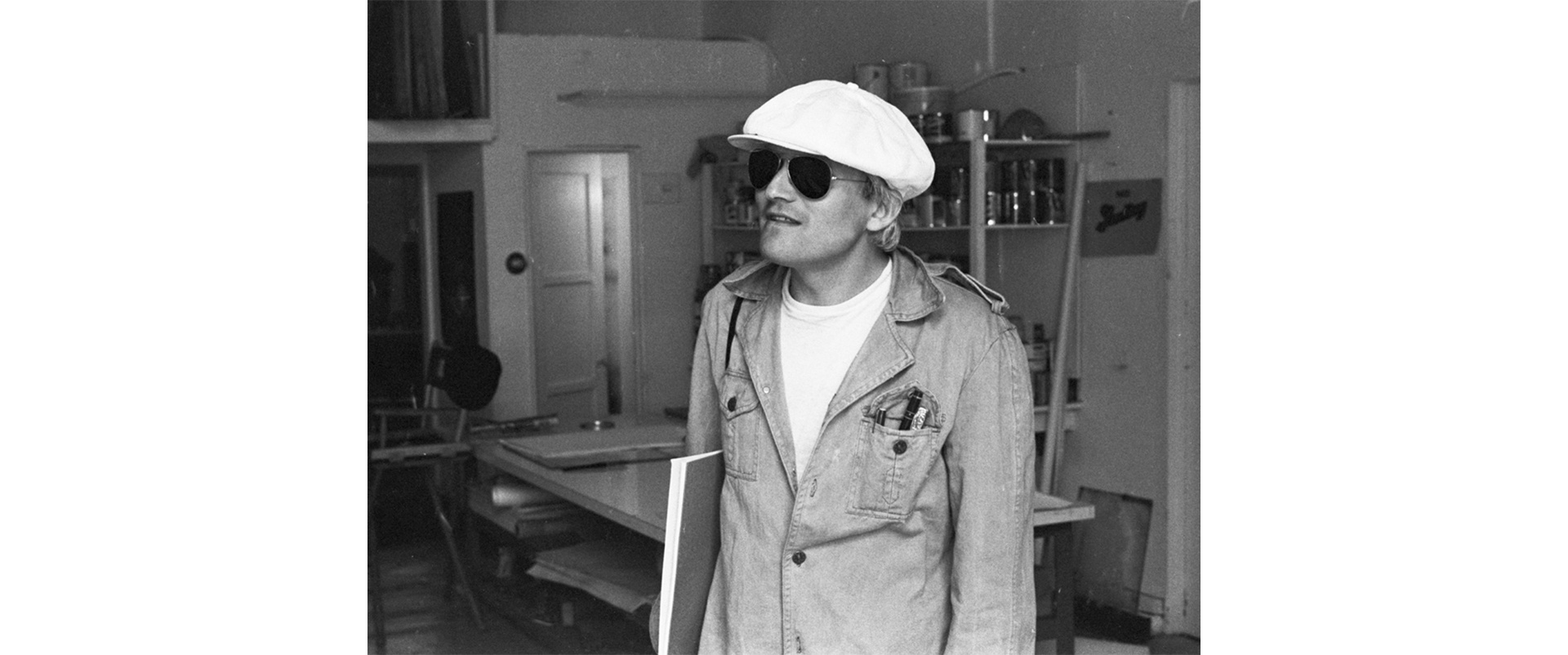
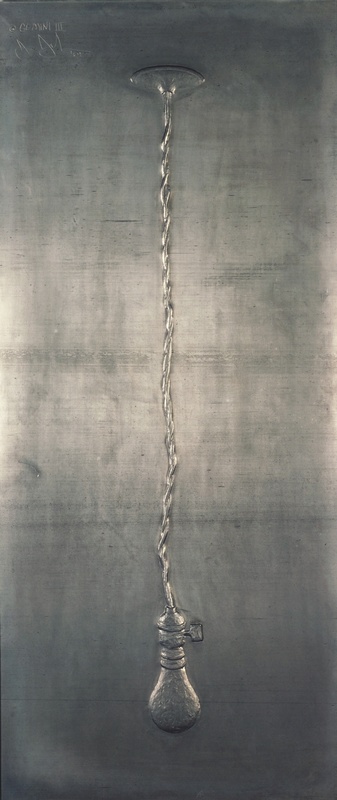
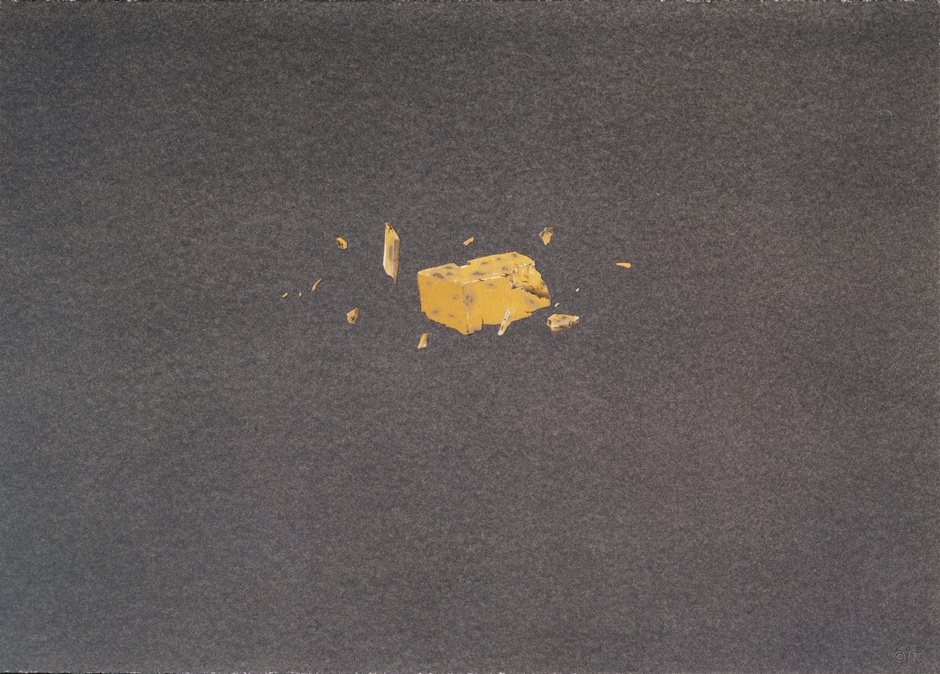
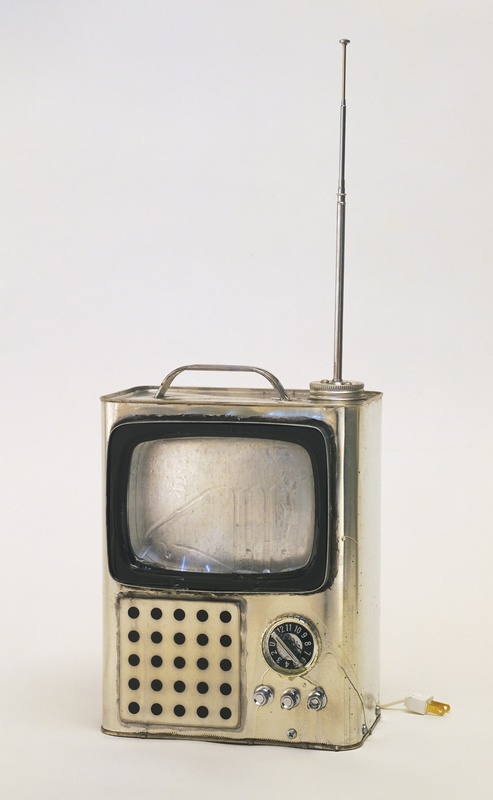
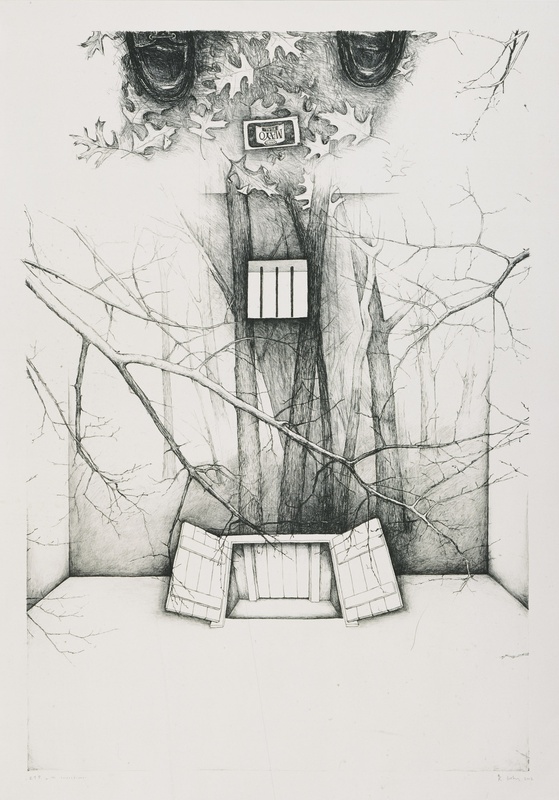
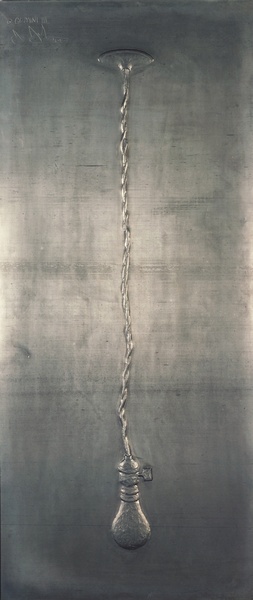
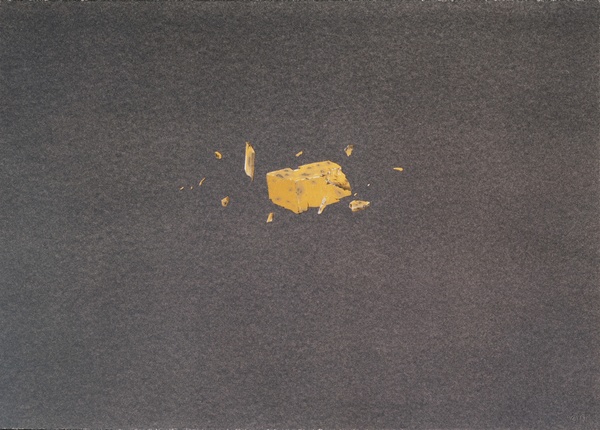
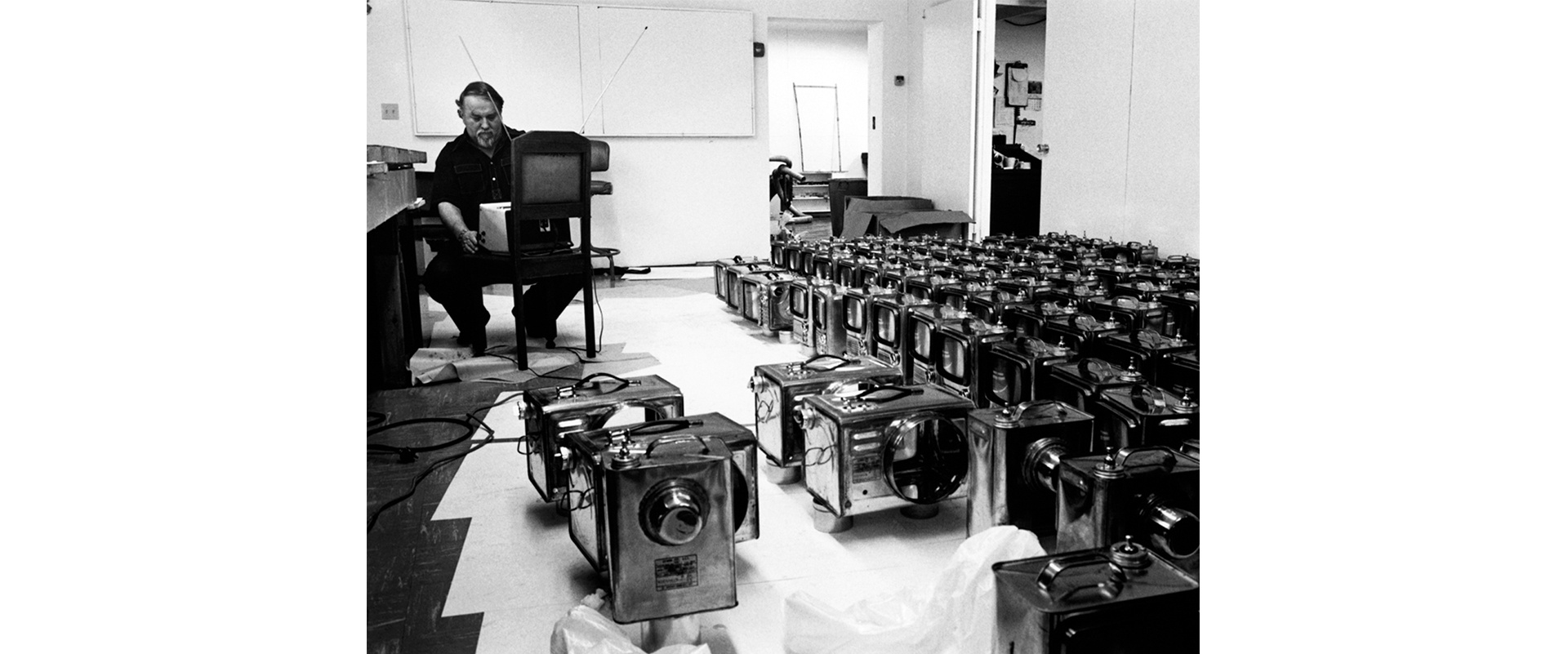
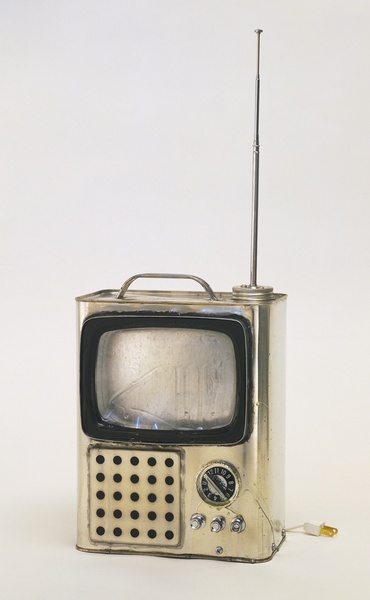
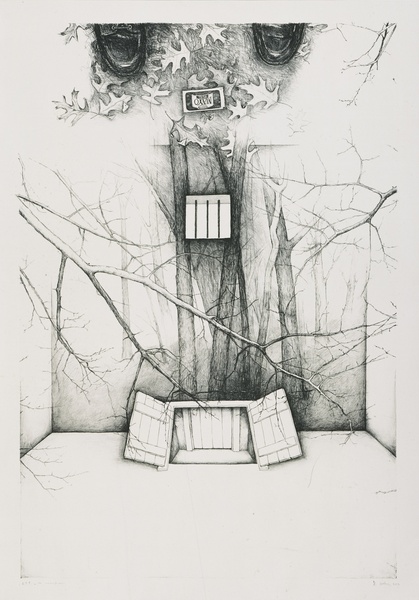
Affiliations and reciprocal influence among Gemini artists become apparent through the installation of rich and resonant groupings of printed works and multiples by decade. The space devoted to works from the 1970s demonstrates how such artists as Johns, Ed Ruscha, and Ed Kienholz elevated everyday objects like a light bulb, piece of cheese, and oil can to the subject matter of art. Robert Gober’s lithographic depiction of shoes dating from 2000 demonstrates the continuation of the practice. The exhibition highlights the endurance of the most important ideas in contemporary art, as well as their revision in the new century.
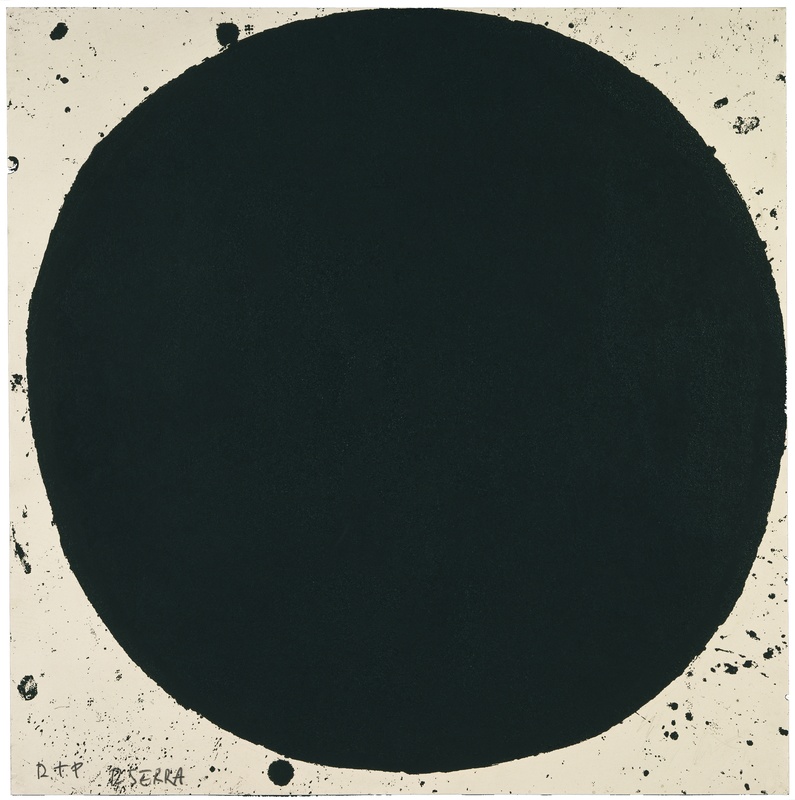
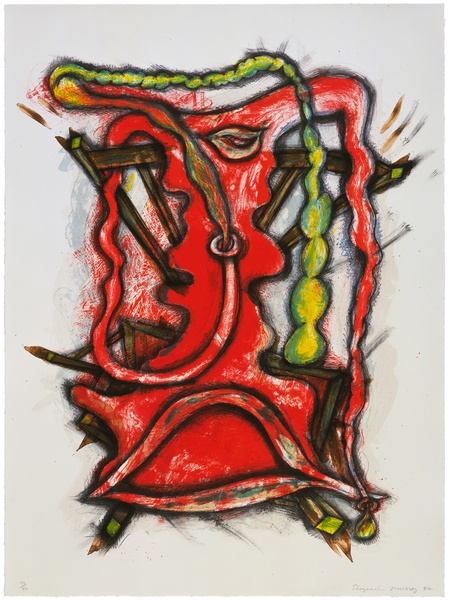
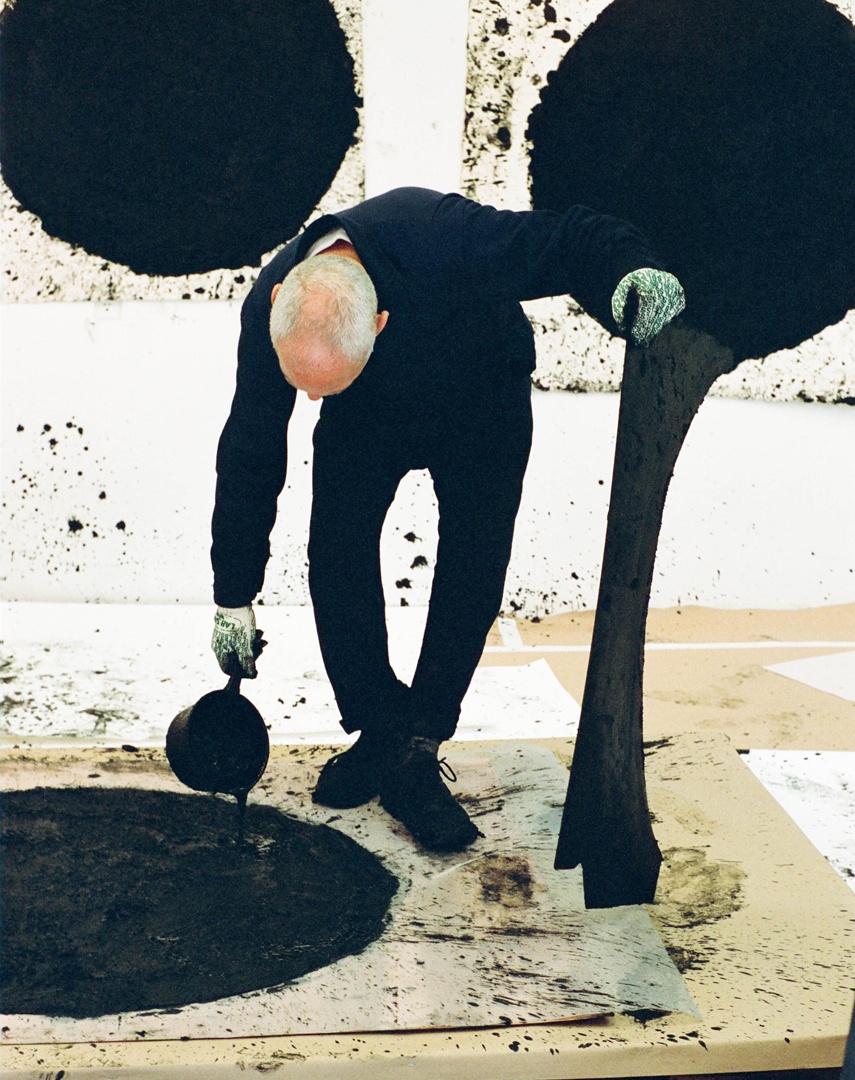
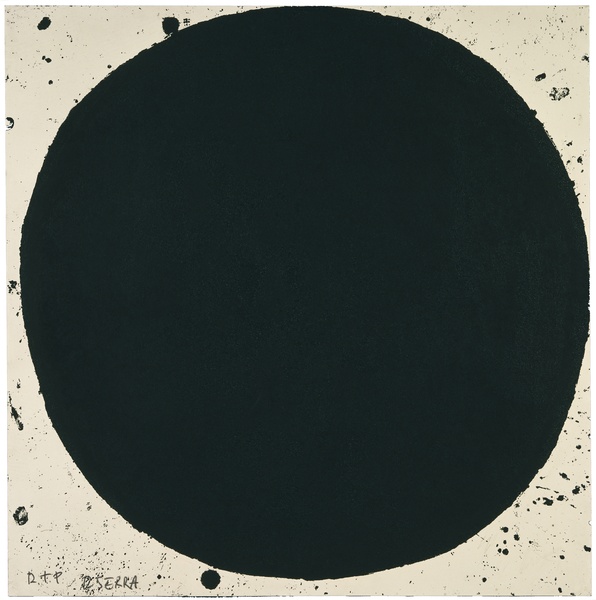
The same can be seen in works from the 1980s and 90s by Dan Flavin, Elizabeth Murray, and Richard Serra that display the artists’ commitment to the investigation and exploitation of color – from the brightest reds to the darkest blacks – in both figurative and abstract work.
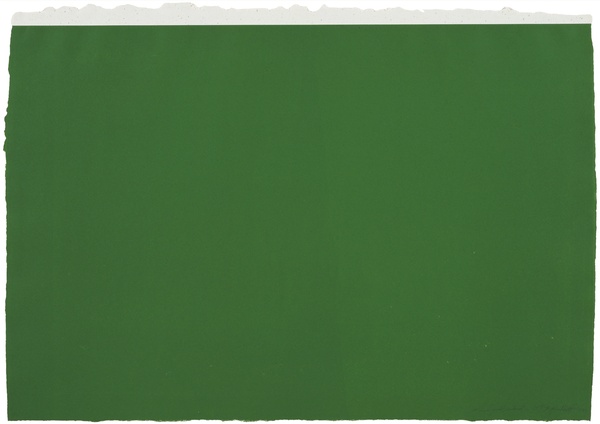
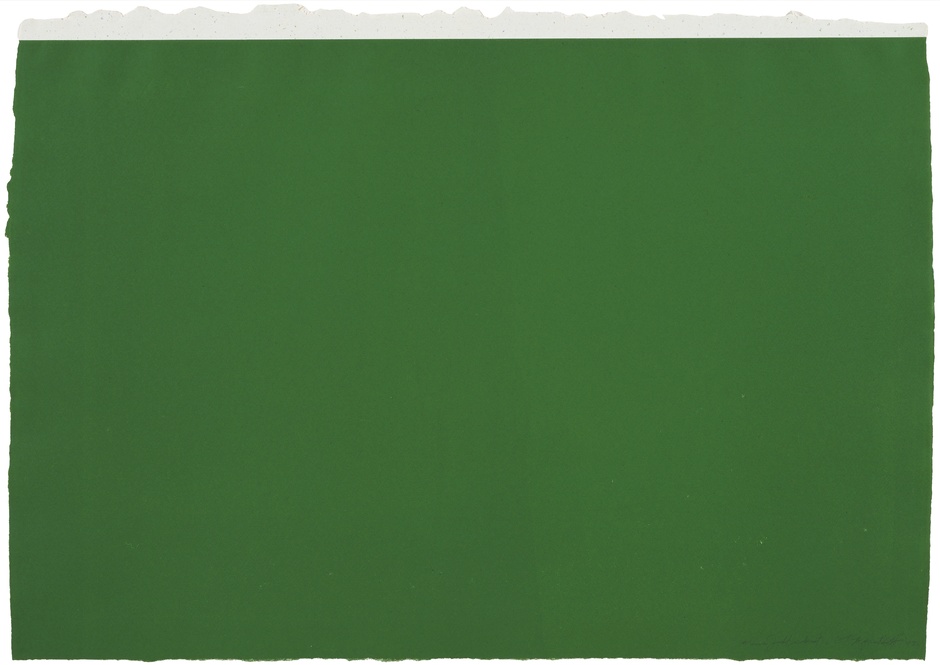
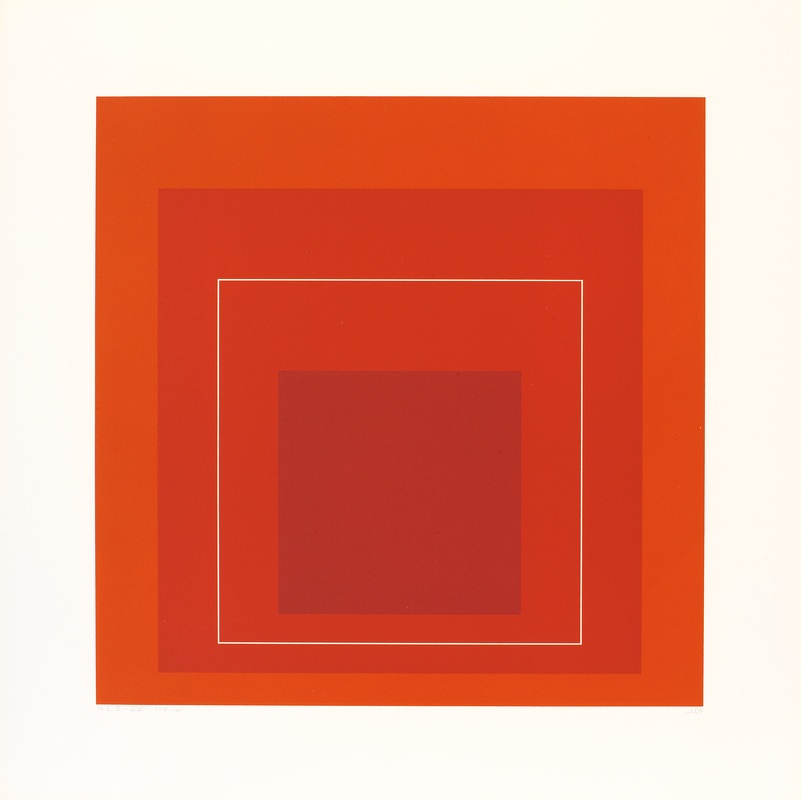
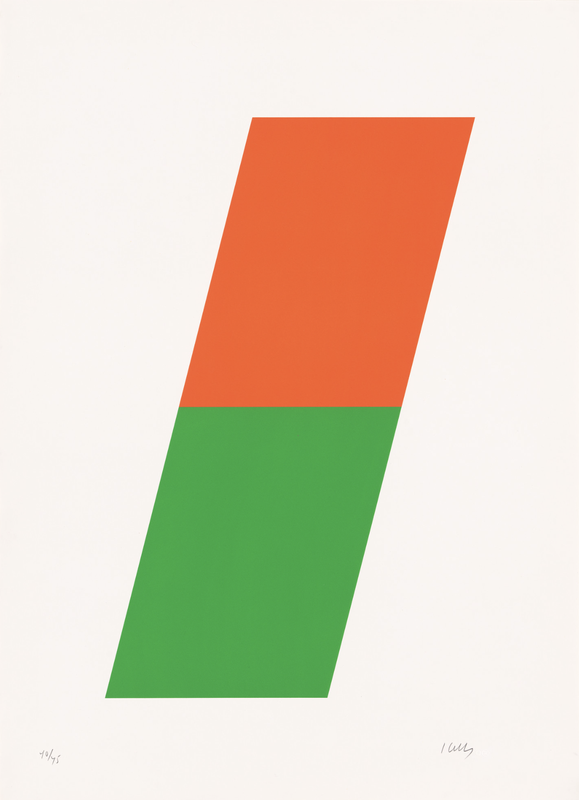
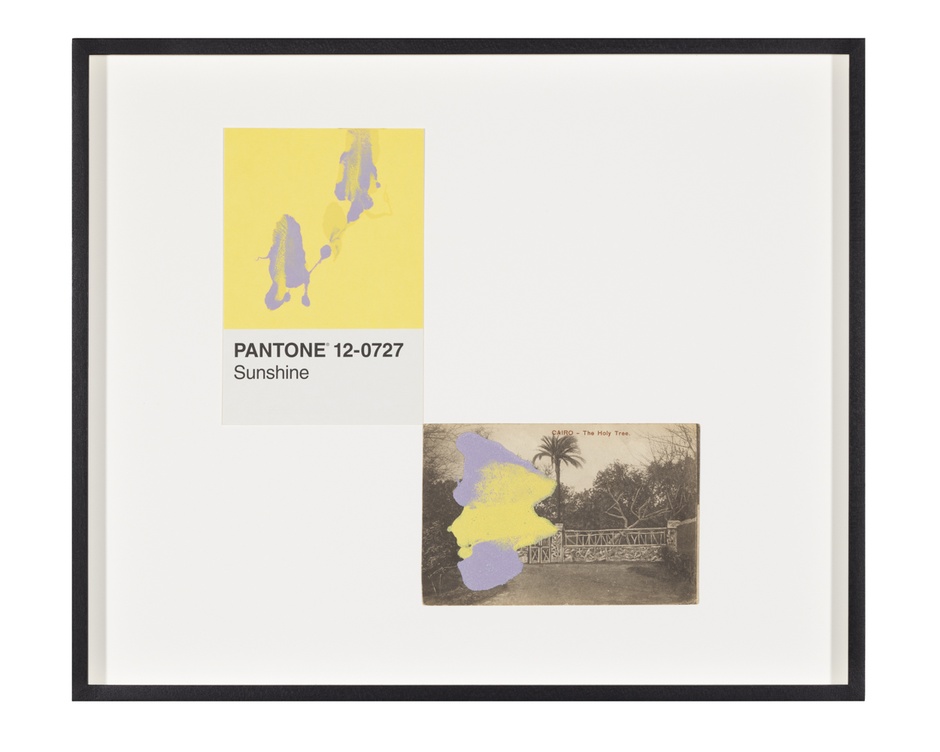
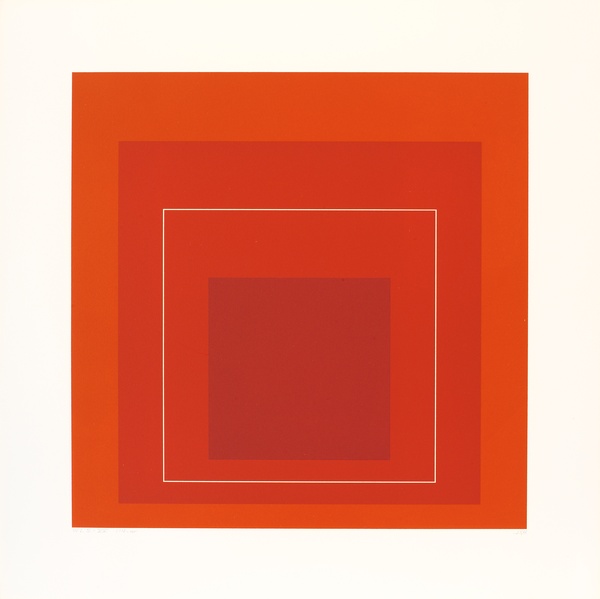
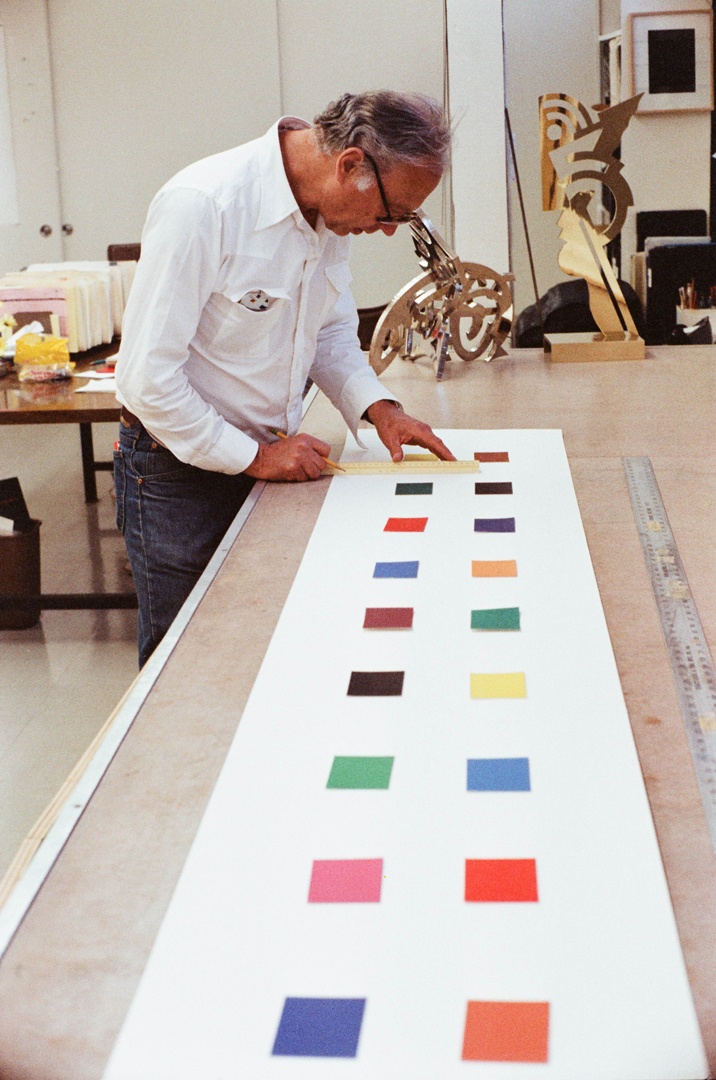
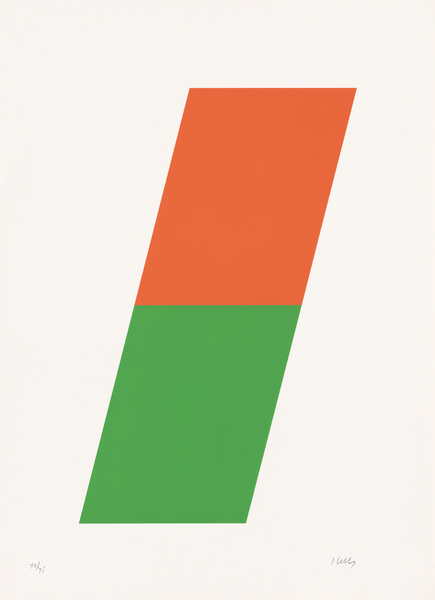
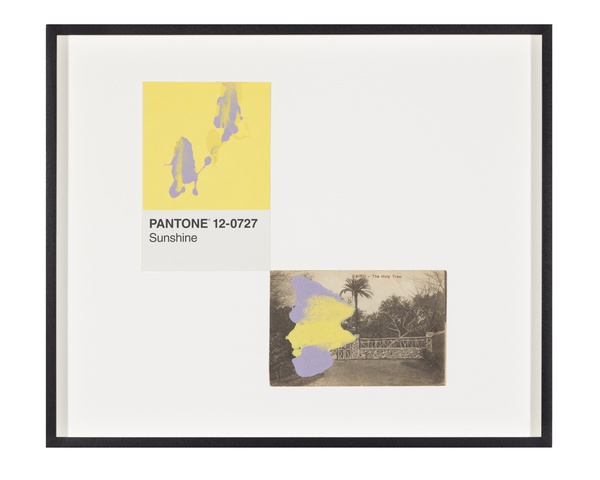
Such experimentation with hue, shade, and contrast commenced at Gemini’s inception, with Josef Albers’ iconic series, White Line Squares and Ellsworth Kelly’s colorful clashing forms, and has continued into the twenty-first century with Tacita Dean’s Pantone Pairs.
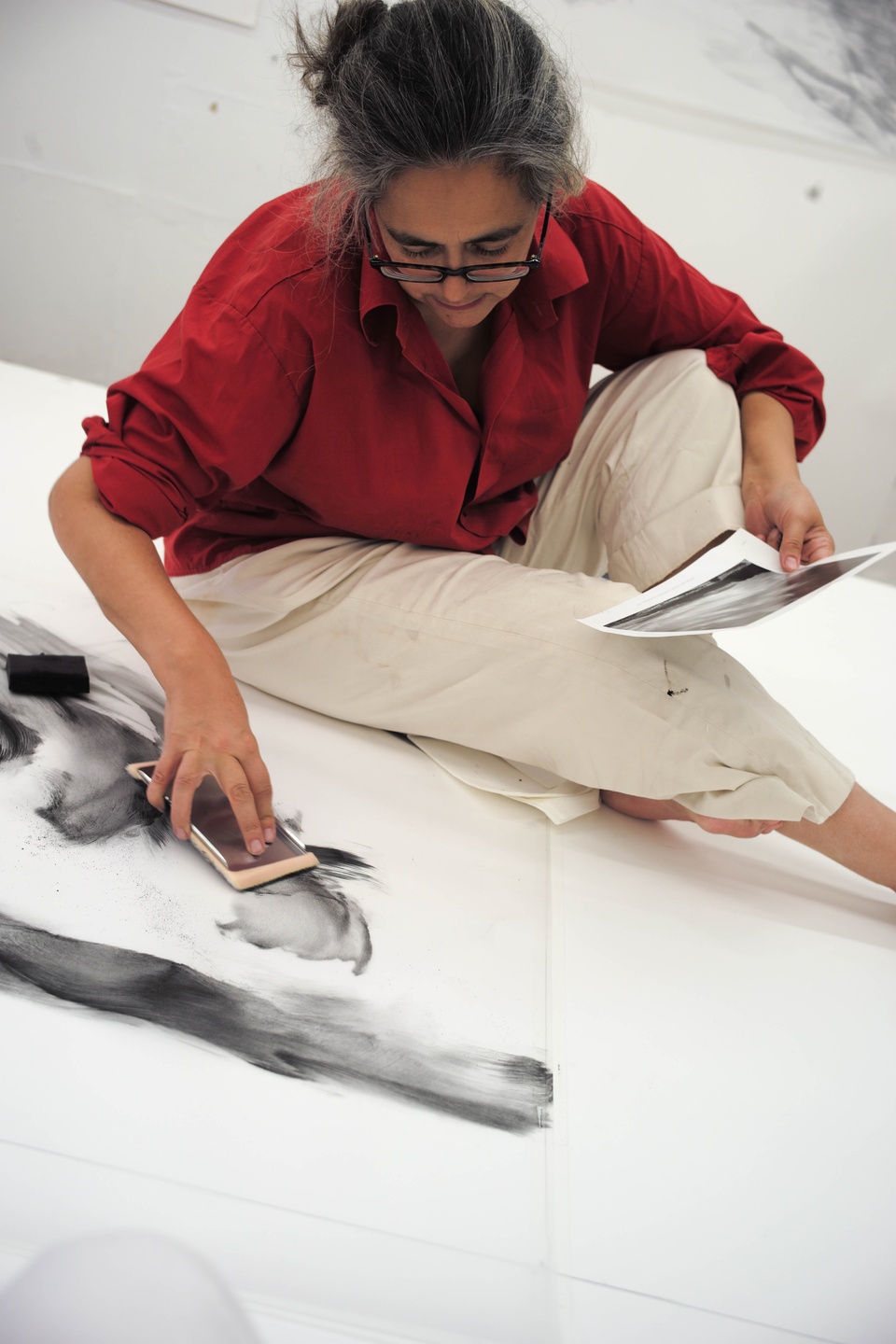
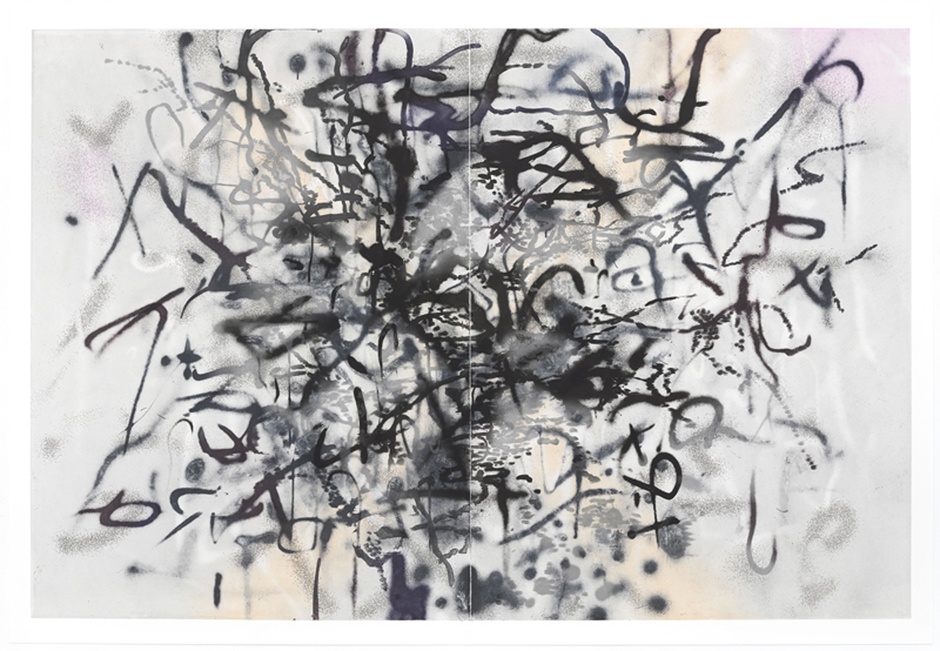
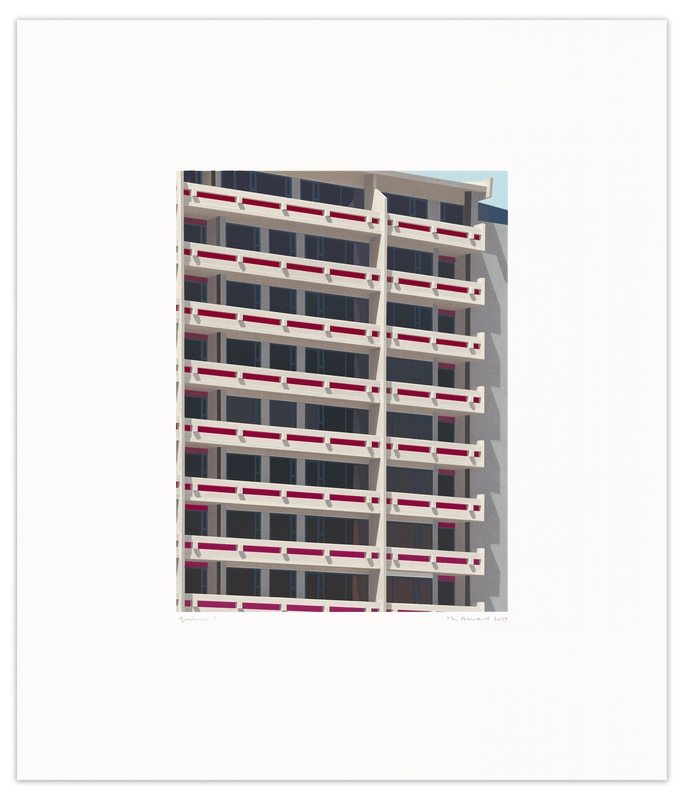
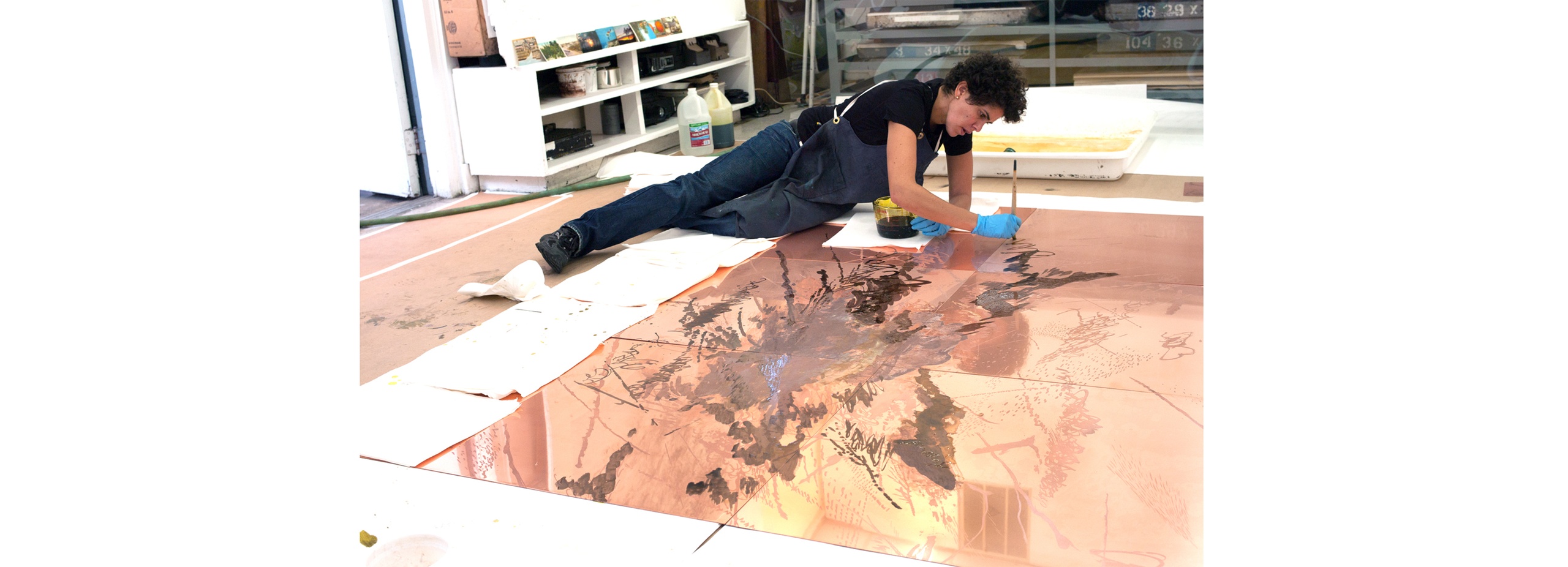
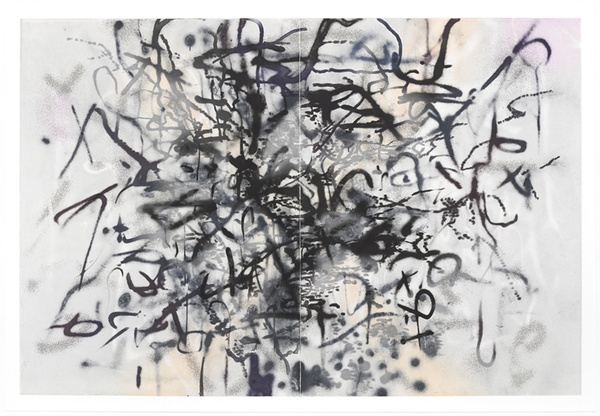
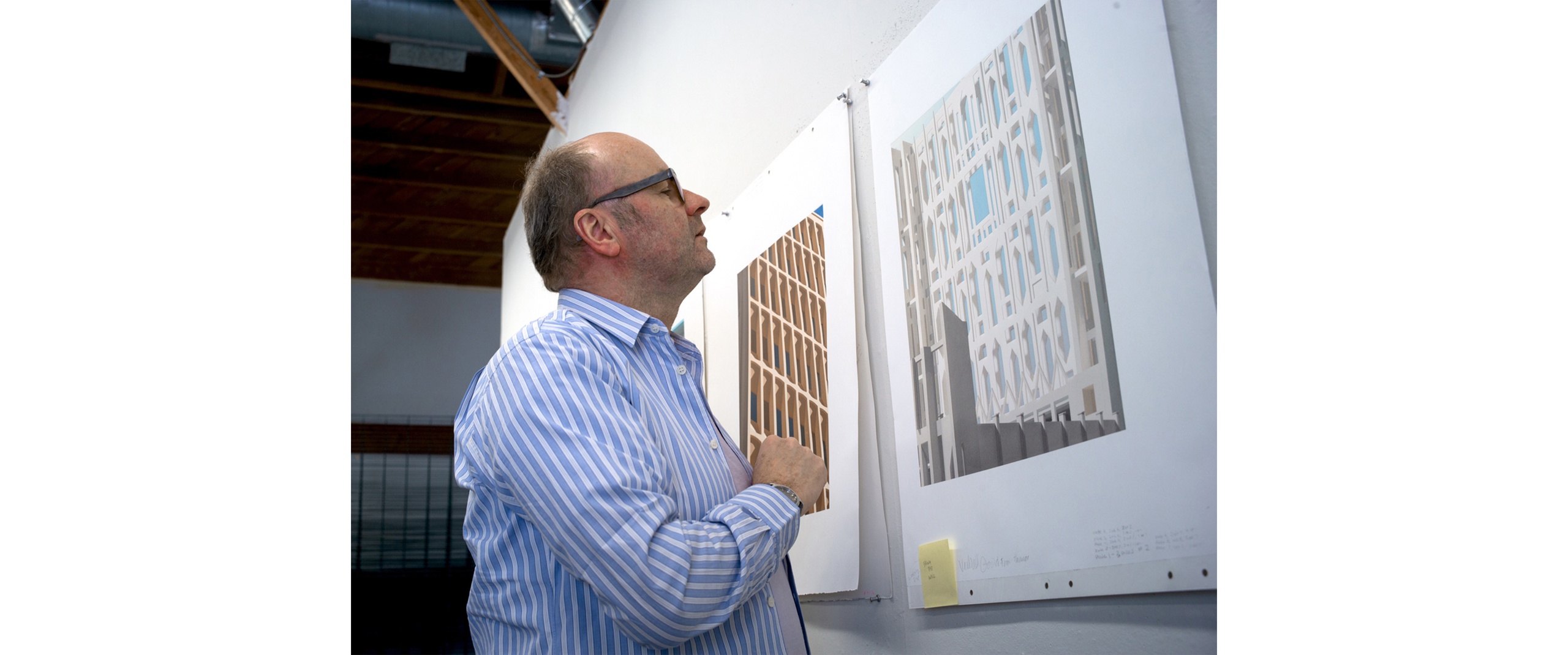
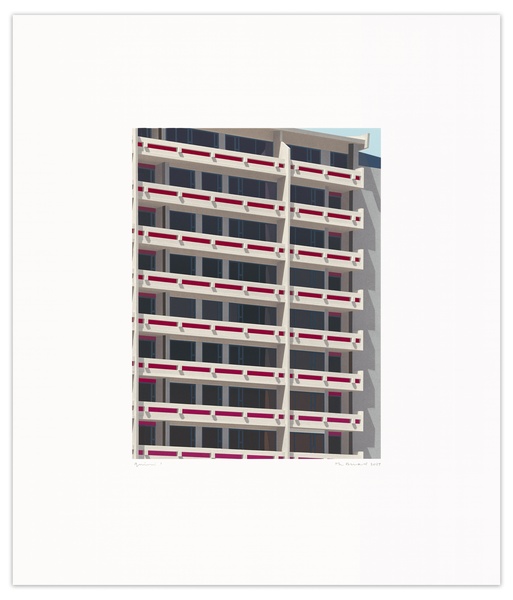
In the past decade, another generation of artists have been invited to make editions, with dynamic and exciting results. Julie Mehretu’s 2018 aquatint Six Bardos: Dream State captures her dramatic gestures, and Thomas Demand’s 2024 Bobby Fischer’s House uses detailed reconstructions of significant yet ordinary spaces. Comparing these works with those of earlier artists highlights how Gemini continues to create a space where printmaking is a creative tool, maintaining the tradition started in 1966 on Melrose Avenue.
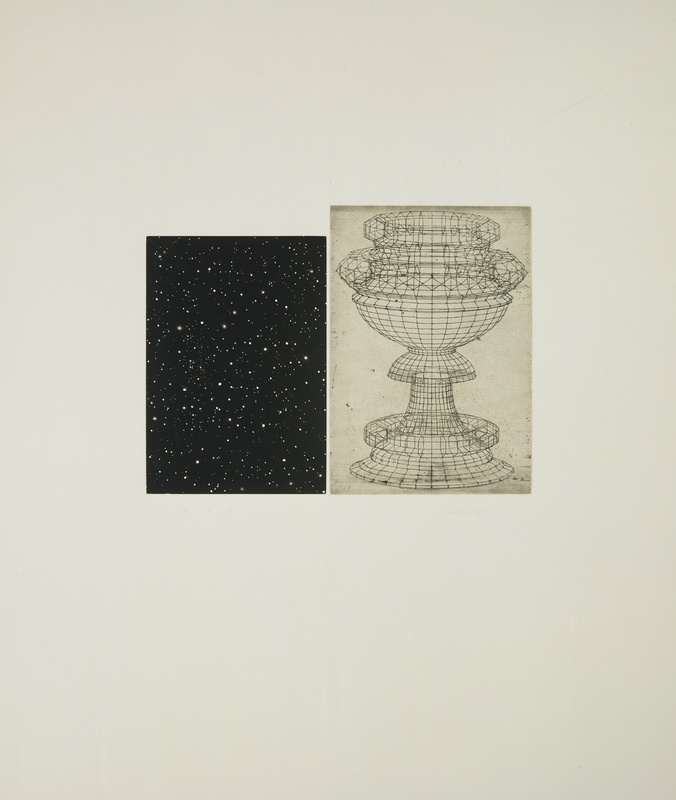
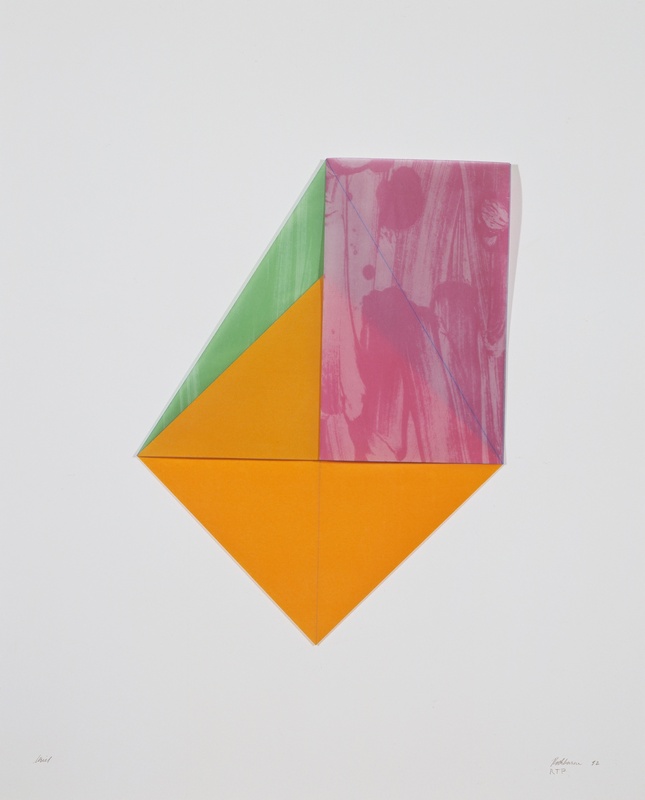
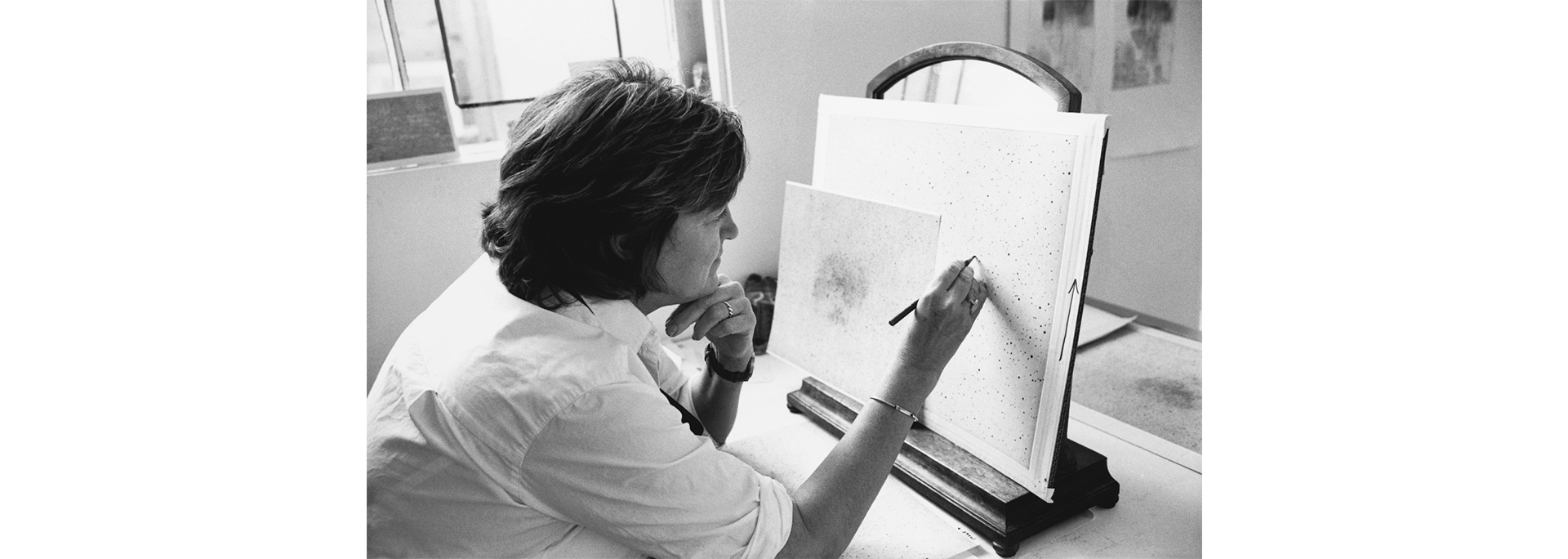
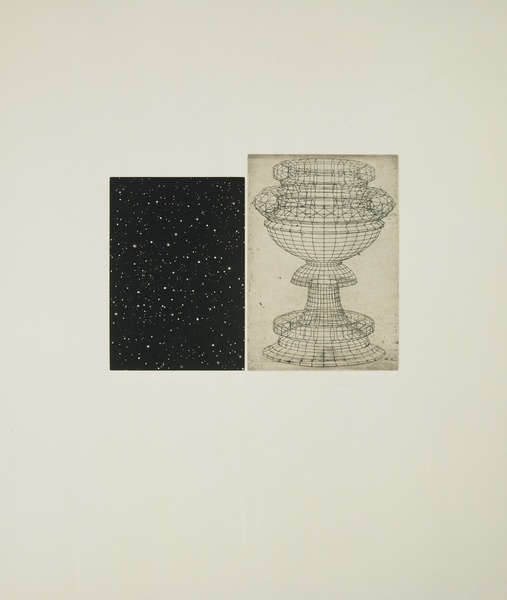
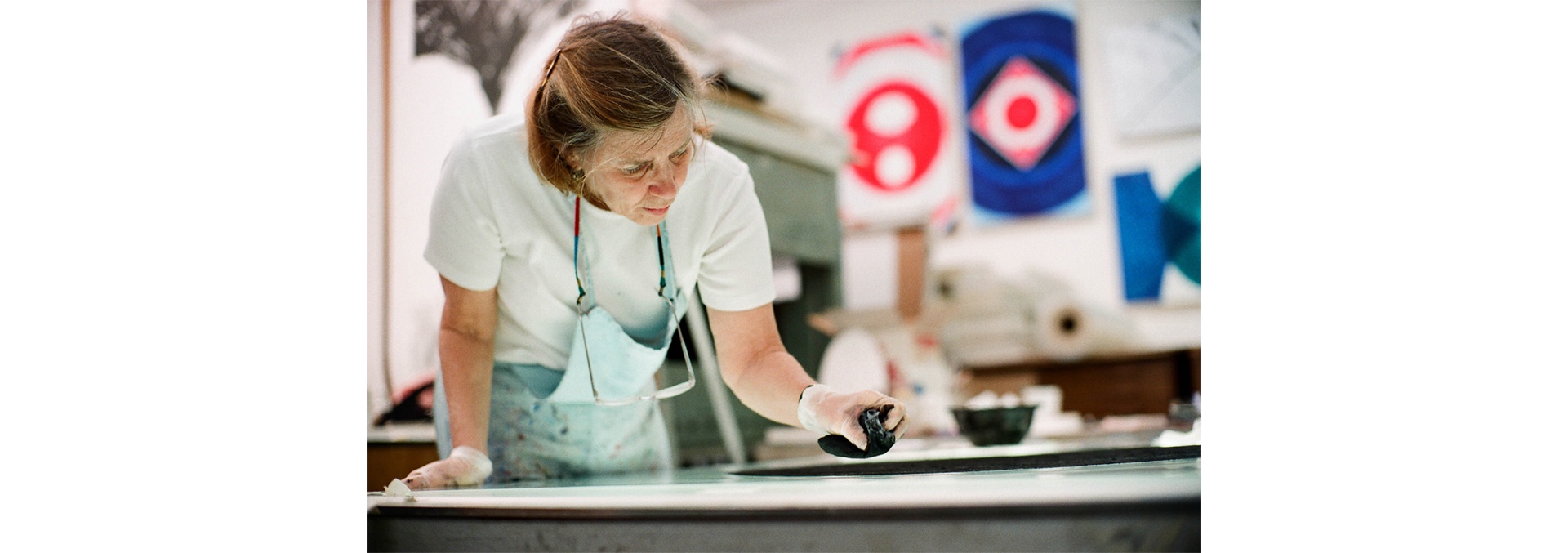
It’s worth noting that Gemini, consciously or not, has responded to feminist artistic goals over its lifetime. Although its first decade of production was dominated by male artists, as was typical of the time, by the 1980s Dorothea Rockburne, Vija Celmins, and Susan Rothenberg were among the many notable artists making prints in the studio. By the 1990s, the gender distribution among artists was more even, and today, Gemini’s roster features some of the most important women artists of the day, a testament to Gemini’s current owners’ – Suzanne Felsen, Ayn Grinstein, Ellen Grinstein, and Joni Moisant Weyl – awareness of equality of the sexes within artistic production.
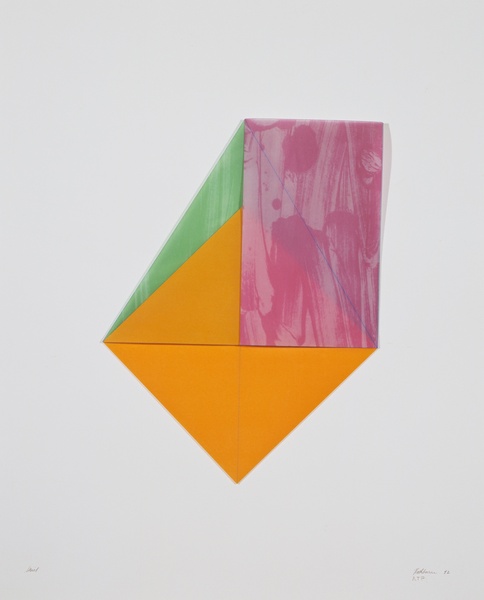
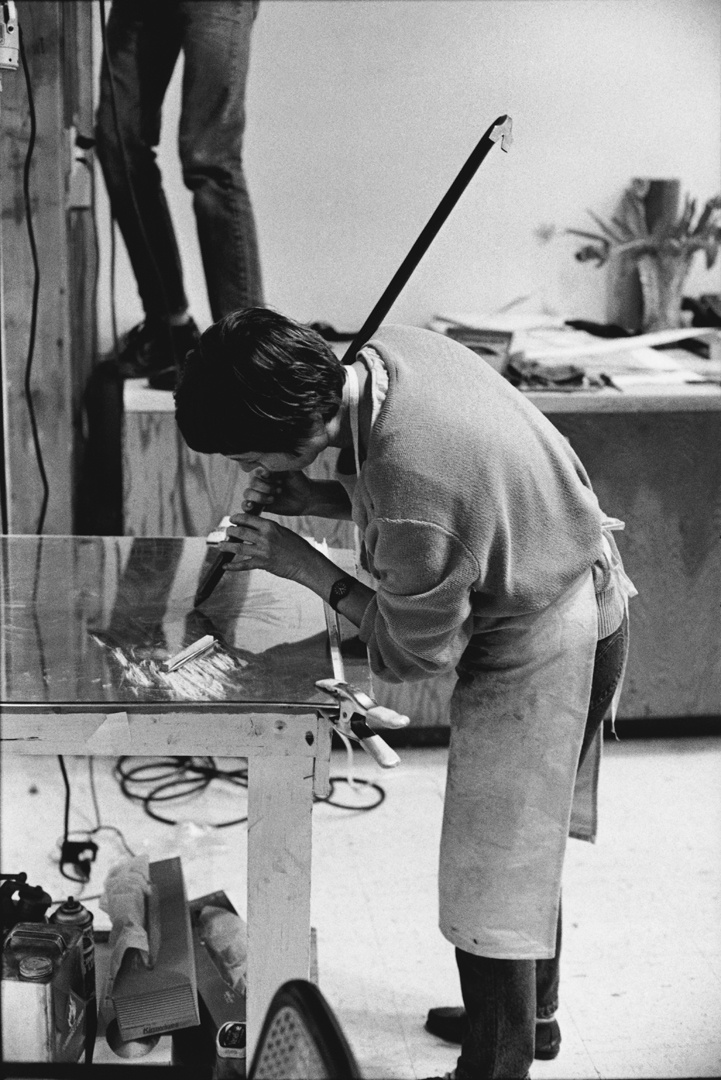
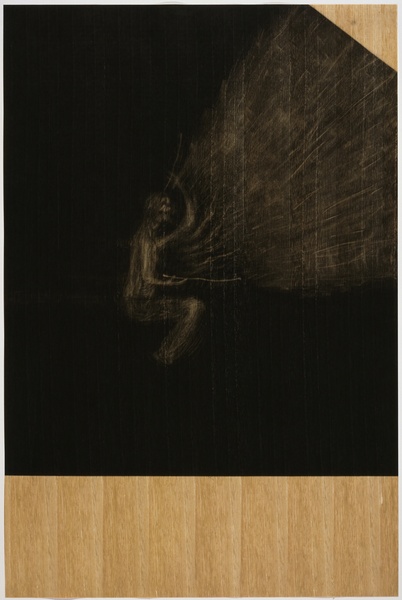
The exhibition’s title includes the qualifier, “Almost,” because representing every single year by an evocative artwork would require far more gallery space than most galleries – or even museums – have. While at least one work by most of the artists associated with Gemini is presented, it is a mere fraction of what Gemini artists have created here overall.
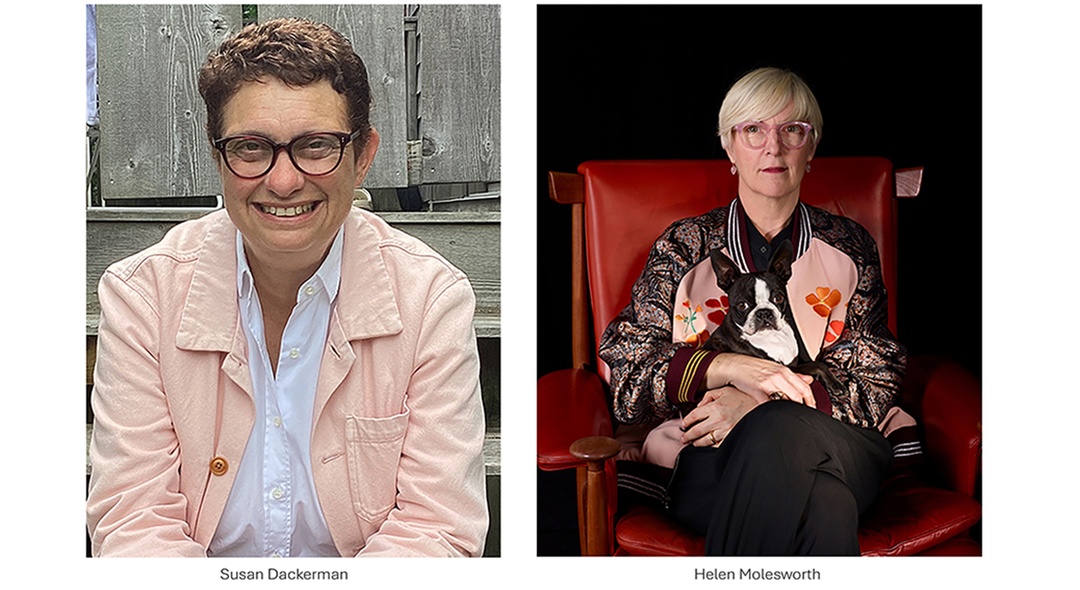
About Susan Dackerman
Susan Dackerman is a Lecturer in Art History at UCLA, with a specialization in western print culture. Previously, she has held posts at the Baltimore Museum of Art, Harvard Art Museums, Getty Research Institute, and Stanford University. Her publications include Painted Prints: the Revelation of Color, 2002; Prints and the Pursuit of Knowledge in Early Modern Europe, 2011; Corita Kent and the Language of Pop, 2015, Jasper Johns: A Catalogue Raisonné of the Monotypes, with Jennifer Roberts, 2017, and Dürer’s Knots: Early European Print and the Islamic East, 2024. Dackerman currently is working on two book projects: a textbook on global print histories that positions Gutenberg’s introduction of printing into Europe at the end of the historical trajectory; and a book titled The Extinction of Print: a natural history, which will look at the history of print through the materiality of its matrices, and their relationship to conceptions of the natural world.
About Helen Molesworth
Helen Molesworth is a writer, podcaster, and curator based in Los Angeles and Provincetown. In 2023 Phaidon published Open Questions, Thirty Years of Writing About Art, an anthology of her essays. Her podcasts include Death of an Artist a 6-part podcast about the intertwined fates of Carl Andre and Ana Mendieta and the inaugural season of Recording Artists with The Getty. She is also the host of DIALOGUES, a podcast that features interviews with artists hosted by the David Zwirner Gallery. Her major museum exhibitions include: One Day at a Time: Manny Farber and Termite Art; Leap Before You Look: Black Mountain College 1933–1957; Dance/Draw; This Will Have Been: Art, Love & Politics in the 1980s; Part Object Part Sculpture, and Work Ethic. She has organized one-person exhibitions of Ruth Asawa, Moyra Davey, Noah Davis, Raoul De Keyser, Louise Lawler, Steve Locke, Anna Maria Maiolino, Josiah McElheny, Kerry James Marshall, Catherine Opie, Amy Sillman, and Luc Tuymans. She is the author of numerous catalogue essays and her writing has appeared in Artforum, Art Journal, Documents, and October. The recipient of the 2011 Bard Center for Curatorial Studies Award for Curatorial Excellence, in 2021 she received a Guggenheim Fellowship, and in 2022 she was awarded The Clark Art Writing Prize.
-
![]() Robert Rauschenberg Sky Garden, 1969 (RR69-301) 6 color lithograph 89" x 42" (226.06 x 106.68 cm) Edition of 35price available upon request. *
Robert Rauschenberg Sky Garden, 1969 (RR69-301) 6 color lithograph 89" x 42" (226.06 x 106.68 cm) Edition of 35price available upon request. * -
![]() Jasper Johns Figure 7, 1968 (JJ68-196) 2 color lithograph 37" x 30" (93.98 x 76.20 cm) Edition of 70NFS
Jasper Johns Figure 7, 1968 (JJ68-196) 2 color lithograph 37" x 30" (93.98 x 76.20 cm) Edition of 70NFS -
![]() David Hockney Wind, 1973 (DH73-508) 11 color lithograph/silkscreen 40" x 31" (101.60 x 78.74 cm) Edition of 98NFS
David Hockney Wind, 1973 (DH73-508) 11 color lithograph/silkscreen 40" x 31" (101.60 x 78.74 cm) Edition of 98NFS -
![]()
-
![]()
-
![]() Edward & Nancy Kienholz The Econo-Can, 1977 (EDK76-2040) Metal with Frensel lens system 12" x 8 5/8" x 8 1/2" (30.48 x 21.91 x 21.59 cm) Edition of 53price available upon request. *
Edward & Nancy Kienholz The Econo-Can, 1977 (EDK76-2040) Metal with Frensel lens system 12" x 8 5/8" x 8 1/2" (30.48 x 21.91 x 21.59 cm) Edition of 53price available upon request. * -
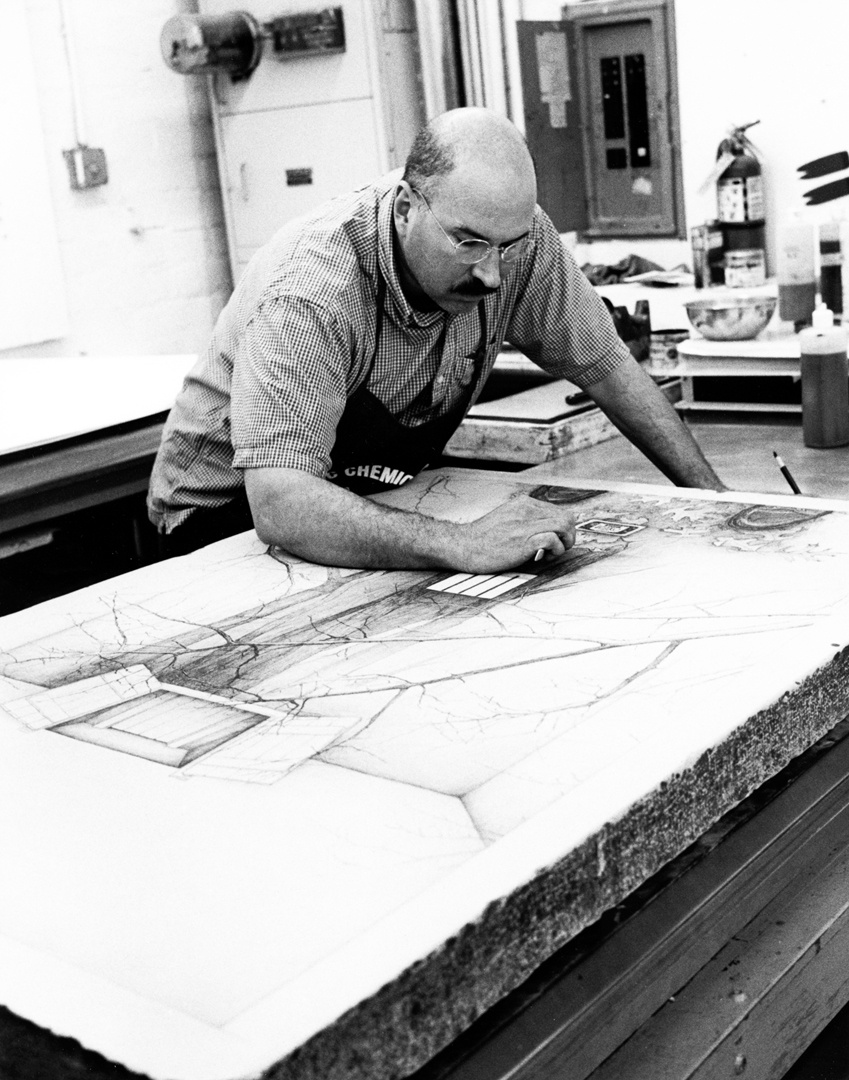
![]() Robert Gober Untitled, 2002 (ROGO01-1485) 4 color lithograph 51" x 36" (129.54 x 91.44 cm) Edition of 65$22,000
Robert Gober Untitled, 2002 (ROGO01-1485) 4 color lithograph 51" x 36" (129.54 x 91.44 cm) Edition of 65$22,000 -
![]() Dan Flavin (to Don Judd, colorist)6, 1987 (DF86-1134) 1 color lithograph 29" x 40 1/2" (73.66 x 102.87 cm) Edition of 30price available upon request. *
Dan Flavin (to Don Judd, colorist)6, 1987 (DF86-1134) 1 color lithograph 29" x 40 1/2" (73.66 x 102.87 cm) Edition of 30price available upon request. * -
![]() Elizabeth Murray Fling, 1997 (EM93-1345) 16 color lithograph/screenprint 36" x 27" (91.44 x 68.58 cm) Edition of 40$4,500
Elizabeth Murray Fling, 1997 (EM93-1345) 16 color lithograph/screenprint 36" x 27" (91.44 x 68.58 cm) Edition of 40$4,500 -
![]() Richard Serra B.B. King, 1999 (RS98-3281) 1-color etching 44 1/4" x 43 3/4" (112.40 x 111.13 cm) Edition of 32price available upon request. *
Richard Serra B.B. King, 1999 (RS98-3281) 1-color etching 44 1/4" x 43 3/4" (112.40 x 111.13 cm) Edition of 32price available upon request. * -
![]() Josef Albers White Line Square XV, 1966 (JA66-1165) 3 color lithograph 21" x 21" (53.34 x 53.34 cm) Edition of 125price available upon request. *
Josef Albers White Line Square XV, 1966 (JA66-1165) 3 color lithograph 21" x 21" (53.34 x 53.34 cm) Edition of 125price available upon request. * -
![]() Ellsworth Kelly Orange/Green, 1970 (EK70-335) 2 color lithograph 41 1/2" x 30 1/4" (105.41 x 76.84 cm) Edition of 75price available upon request. *
Ellsworth Kelly Orange/Green, 1970 (EK70-335) 2 color lithograph 41 1/2" x 30 1/4" (105.41 x 76.84 cm) Edition of 75price available upon request. * -
![]() Tacita Dean Pantone Pair (Sunshine), 2019 (TD19_258_60) Found Pantone card paired with postcard from artist's collection, monoprinted and framed 12 1/2" x 15" (31.75 x 38.10 cm) Series of 80 unique works$12,500
Tacita Dean Pantone Pair (Sunshine), 2019 (TD19_258_60) Found Pantone card paired with postcard from artist's collection, monoprinted and framed 12 1/2" x 15" (31.75 x 38.10 cm) Series of 80 unique works$12,500 -
![]() Julie Mehretu Six Bardos: Dream State, 2018 (JM17-3567) 18 color aquatint 50 1/4" x 73 1/4" (127.64 x 186.06 cm) Edition of 45price available upon request. *
Julie Mehretu Six Bardos: Dream State, 2018 (JM17-3567) 18 color aquatint 50 1/4" x 73 1/4" (127.64 x 186.06 cm) Edition of 45price available upon request. * -
![]() Thomas Demand Bobby Fischer's House, 2024 (ThD20-1686) 11-color lithograph with embossing 32 3/4" x 28" (83.19 x 71.12 cm) Edition of 48$8,000
Thomas Demand Bobby Fischer's House, 2024 (ThD20-1686) 11-color lithograph with embossing 32 3/4" x 28" (83.19 x 71.12 cm) Edition of 48$8,000 -
![]() Vija Celmins Constellation - Uccello, 1983 (VC82-3075) 4 color aquatint/etching 27 1/4" x 23 1/8" (69.22 x 58.74 cm) Edition of 49NFS
Vija Celmins Constellation - Uccello, 1983 (VC82-3075) 4 color aquatint/etching 27 1/4" x 23 1/8" (69.22 x 58.74 cm) Edition of 49NFS -
![]() Dorothea Rockburne Uriel, 1983 (DR81-1020) 7 color lithograph printed on both sides of Transpagra, mounted on rag board 52" x 36" (132.08 x 91.44 cm) Edition of 34price available upon request. *
Dorothea Rockburne Uriel, 1983 (DR81-1020) 7 color lithograph printed on both sides of Transpagra, mounted on rag board 52" x 36" (132.08 x 91.44 cm) Edition of 34price available upon request. * -
![]() Susan Rothenberg Boneman, 1986 (SR86-3131) 1 color mezzotint 30" x 20 13/16" (76.20 x 52.86 cm) Edition of 42price available upon request. *
Susan Rothenberg Boneman, 1986 (SR86-3131) 1 color mezzotint 30" x 20 13/16" (76.20 x 52.86 cm) Edition of 42price available upon request. *